Dacia Car Prices in Germany 2025
Dacia Car Prices in Germany 2025
Dacia Car Prices in Germany 2025: Smart Value and Robust Design
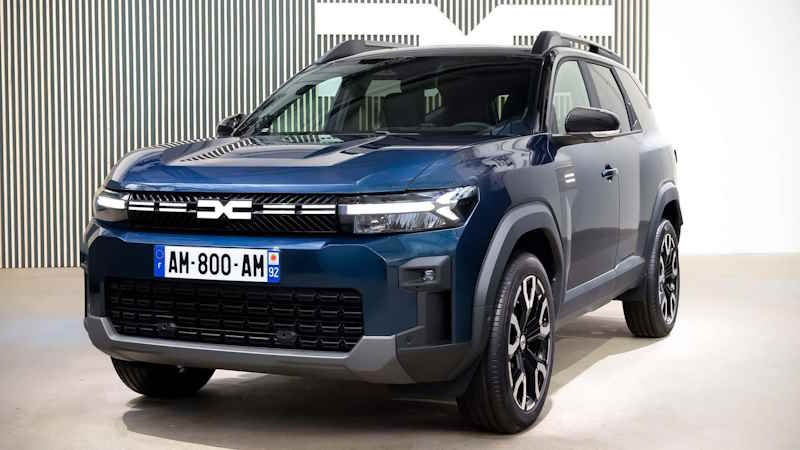
As we navigate mid-2025, Dacia, the Romanian automaker within the Renault Group, continues to strengthen its position in the German market as a champion of smart value and robust design. Known for offering affordable yet practical and increasingly well-equipped vehicles, Dacia is a strong contender for buyers seeking no-nonsense mobility without compromising on essential features or modern styling. This article provides a detailed look at the current price list and key technical specifications for Dacia models available in Germany in 2025.
Dacia’s philosophy centers on delivering “essentials,” focusing on what customers truly need and value in a car, rather than excessive frills. This approach has resonated strongly in Germany, where practicality, durability, and a keen eye on budget are highly appreciated. With a growing lineup that includes versatile SUVs, a spacious family wagon, and an affordable electric city car, Dacia is expanding its appeal while staying true to its core promise of accessibility and reliability.
2025 Dacia Germany Price List
The prices below are the starting prices for Dacia models in Germany as of mid-2025. These figures typically represent the base model with standard equipment and may vary based on chosen trim levels, engine options (including petrol, LPG, and hybrid), optional features, and local German taxes (VAT, etc.). Dacia’s commitment to competitive pricing means these vehicles often offer excellent value for money in their respective segments. For the most accurate and up-to-date pricing, we strongly recommend contacting an authorized Dacia dealer.
Dacia Passenger Car Models:
Key Technical Specifications of Dacia Models (Selected Examples)
Dacia models are engineered for efficiency, durability, and practicality, with increasingly modern powertrains including LPG and hybrid options. Here are the main technical details for some prominent Dacia models in Germany:
Note: Fuel consumption and range figures are based on WLTP standards and may vary depending on driving conditions, equipment, and other factors. The Dacia Bigster is an anticipated new model for 2025, and its final specifications will be confirmed upon launch.
Key Factors Influencing Dacia Prices in Germany
Dacia’s pricing strategy and success in the German market are driven by several core principles:
- Unbeatable Value Proposition: Dacia’s primary appeal is its affordability. The brand is designed to offer the most car for the money in its respective segments, making it highly attractive to budget-conscious buyers without compromising on reliability.
- Focus on Essentials: Dacia vehicles prioritize practical features and robust build quality over unnecessary technological complexities or luxury appointments. This “less is more” approach helps keep production costs down, which is reflected in the final price.
- Proven Technology from Renault Group: Dacia benefits from leveraging established and reliable platforms, engines, and technologies from its parent company, Renault. This shared engineering reduces development costs and ensures component reliability.
- Increasingly Modern Design and Features: While maintaining affordability, Dacia has significantly elevated its design language and interior quality in recent years. Newer models like the Duster and Jogger offer a contemporary look and include essential modern features, balancing cost with consumer expectations.
- Diverse Powertrain Options: Dacia offers a variety of engine choices, including highly efficient petrol, economical LPG bi-fuel (ECO-G), and increasingly, full hybrid powertrains (Hybrid 140). This diversity caters to different fuel preferences and cost efficiencies. The Spring provides an ultra-affordable entry into electric mobility.
- Local Taxes and Incentives: In Germany, all vehicle prices include 19% VAT (Value Added Tax). For electric vehicles like the Spring, government incentives or environmental bonuses (though these can change) might further reduce the effective purchase price for consumers.
- Strong Market Penetration Strategy: Dacia is actively expanding its footprint in Germany, including entering the larger C-segment with the upcoming Bigster SUV. Its strategy focuses on increasing market share by offering compelling alternatives across popular vehicle categories.
Dacia continues to be a compelling choice in Germany for those who appreciate straightforward, reliable, and affordable mobility. Its commitment to value, combined with increasingly appealing designs and modern powertrains, ensures its growing success. To explore the Dacia range and obtain precise pricing for your desired configuration, visiting an authorized Dacia dealership in Germany for a consultation and test drive is highly recommended.