2025 Car Prices in Germany
2025 Car Prices in Germany
A Look at the 2025 German Car Market
For those considering buying a car in Germany in 2025, the market continues to offer a wide and diverse range of options. Car manufacturers are not only updating their traditional internal combustion engine models but are also expanding their portfolios of electric and hybrid vehicles, providing consumers with more environmentally friendly choices. The article below gives a general overview of the 2025 German car market and its key trends.
Popular Models and Brands
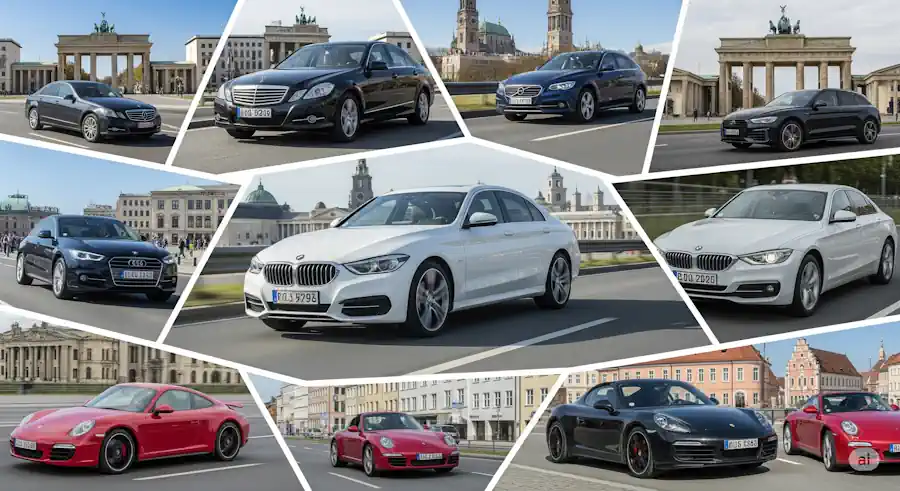
Local manufacturers such as Volkswagen, Audi, BMW, and Mercedes-Benz lead the pack among Germany’s most popular brands. These brands have earned the trust of consumers through their reliability, technology, and driving comfort.
- The Volkswagen Golf remains the leader in the compact class. With a starting price of around €29,000, it offers an ideal choice for both city and long-distance travel.
- The Volkswagen Tiguan and T-Roc have a strong presence in the SUV market. Their spacious interiors and modern designs make them a frequent choice for families.
- Premium mid-size sedans like the Mercedes-Benz C-Class, BMW 3 Series, and Audi A4 are attractive options for those seeking comfort and prestige. Starting prices for these models are generally above €40,000.
- Smaller, more economical models like the Opel Corsa, Skoda Fabia, and Renault Clio are ideal for young drivers and city use. These cars can be found with starting prices around €20,000.
Factors Affecting Prices
Car prices are not limited to just the brand and model. Several factors directly influence the final sale price:
- Taxes: Car taxes in Germany vary according to the engine’s emission values and type.
- Trim Level: The starting price on a price list typically refers to the vehicle’s most basic trim. Additional features like advanced safety systems, infotainment screens, or leather upholstery can increase the price by thousands of euros.
- Engine Options: The choice of a gasoline, diesel, hybrid, or all-electric engine can significantly impact a car’s price. Government incentives for electric vehicles, in particular, can make these cars more appealing.
- Market Conditions: Macroeconomic factors such as global economic fluctuations, supply chain issues, and inflation also directly affect car prices.
In conclusion, when buying a car in Germany in 2025, it’s important not to rely solely on the listed starting prices. To find the car that best fits your needs and budget, you should thoroughly research current campaigns, trim packages, and financing options from various brands. Contacting authorized dealers is always the best way to get the most accurate information.
Starting Prices for 2025 Car Models in Germany (€)