BYD Electric Car Prices in Germany 2025
BYD Electric Car Prices in Germany 2025
BYD Electric Car Prices in Germany 2025: A New Era of Electromobility
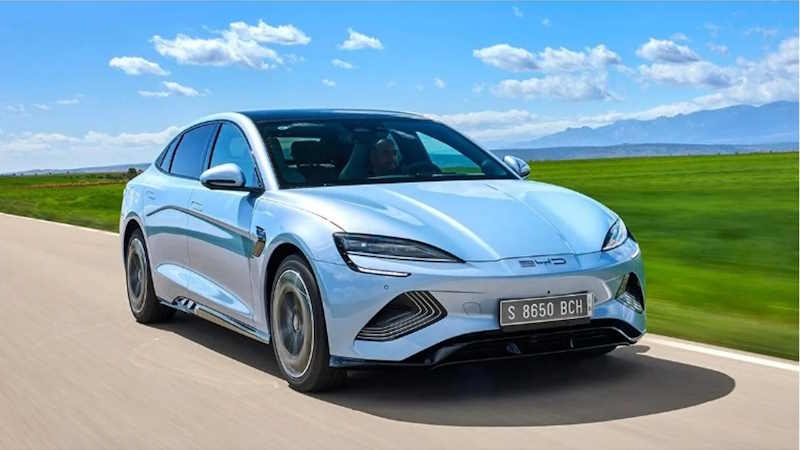
As we navigate mid-2025, BYD (Build Your Dreams), a global leader in new energy vehicles, is making significant strides in the German market. With a comprehensive lineup of electric vehicles (EVs) ranging from compact hatchbacks to luxurious sedans and spacious SUVs, BYD is rapidly establishing itself as a compelling alternative to traditional automakers. This article provides a detailed overview of the current price list and key technical specifications for BYD electric car models available in Germany in 2025.
BYD’s success is rooted in its integrated approach, manufacturing its own batteries (Blade Battery technology), electric motors, and control systems. This allows for vertical integration that translates into competitive pricing, robust performance, and cutting-edge safety features. In Germany, a market with a strong appetite for technological innovation and sustainable mobility, BYD is positioning itself as a major player, offering a compelling blend of value, range, and advanced features.
2025 BYD Germany Price List (Electric Vehicles)
The prices below are the starting prices for BYD electric models in Germany as of mid-2025. These figures are for standard configurations and may vary based on selected trim levels, optional features, and local German taxes (VAT, environmental incentives, etc.). For the most accurate and up-to-date pricing, it’s recommended to contact an authorized BYD dealership.
Key Technical Specifications of BYD Electric Models (Selected Examples)
BYD electric vehicles are known for their innovative Blade Battery technology, which offers enhanced safety, longer lifespan, and optimized space utilization. Here are the main technical details for some popular BYD EV models in Germany:
Note: The BYD Seal U is currently offered as a Plug-in Hybrid (PHEV) in Germany. BYD also plans to introduce more models and potentially all-electric versions of existing models. Range and consumption figures are based on WLTP standards and may vary depending on driving conditions, equipment, and other factors.
Key Factors Influencing BYD EV Prices in Germany
BYD’s aggressive pricing strategy and growing market presence in Germany are shaped by several factors:
- Integrated Production & Cost Efficiency: BYD’s unique position as a vertically integrated manufacturer, producing its own batteries (Blade Battery), electric motors, and semiconductors, allows for significant cost control. This efficiency directly translates into competitive pricing for consumers.
- Blade Battery Technology: The proprietary Blade Battery is a core differentiator for BYD. Its LFP (Lithium Iron Phosphate) chemistry is known for high safety, long lifespan, and robustness, often offering a more cost-effective solution than traditional NMC (Nickel Manganese Cobalt) batteries, which contributes to overall vehicle affordability.
- Market Expansion Strategy: BYD is actively pursuing market share in Europe. This involves an aggressive pricing policy, particularly for models like the Dolphin and Atto 3, to directly compete with established European brands and other EV manufacturers. They aim to offer compelling value propositions.
- Local Production in Europe: To mitigate potential import tariffs and reduce logistics costs, BYD is investing heavily in European production facilities. A plant in Hungary is expected to start production by the end of 2025 (producing Dolphin and Atto 3), with another planned in Turkey for March 2026. This localization strategy could lead to shorter delivery times and potentially more competitive pricing in the long run.
- Growing Model Portfolio: BYD is rapidly expanding its range of electric vehicles to cover various segments, from urban compact cars to large SUVs and luxury sedans. The introduction of new models like the Seal U (PHEV first, then EV) and potentially the Seagull and Song Plus EV aims to cater to a broader customer base.
- Government Incentives (if applicable): While EV incentives can vary, governmental support for electric vehicles in Germany can influence net purchase prices for consumers, making BYD’s offerings even more attractive.
- Technology and Features: BYD vehicles come well-equipped with modern technology, including large rotating infotainment screens, advanced driver-assistance systems, and comfortable interiors, often offering more standard features at their price point compared to some competitors.
BYD is rapidly changing the landscape of electric mobility in Germany, offering a compelling blend of innovative technology, competitive pricing, and a growing range of models. For those considering a transition to electric driving, BYD provides robust and feature-rich options. To explore the models further and obtain precise pricing for your desired configuration, visiting an authorized BYD dealership in Germany for a consultation and test drive is highly recommended.