Fiat Car Prices in Germany 2025
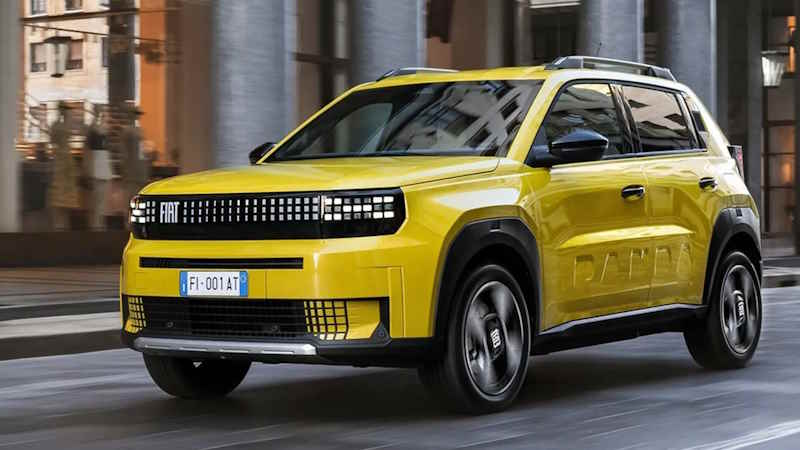
Fiat Car Prices in Germany 2025
Fiat Car Prices in Germany 2025: Stylish Urban Mobility and Practical Solutions
As of mid-2025, Fiat, the iconic Italian automaker, continues to hold a significant and evolving presence in the German market. Renowned for its stylish, compact, and practical vehicles, Fiat is increasingly focusing on urban mobility solutions and electrification. This article provides a detailed look at the current price list and key technical specifications for Fiat models available in Germany in 2025.
Fiat embodies a blend of Italian flair, clever design, and accessible motoring. The brand’s philosophy centers on creating vehicles that are not just transportation but also expressions of personality, particularly in city environments. In Germany, a market that values both efficiency and practicality, Fiat appeals to a diverse range of buyers, from young urban dwellers to families seeking versatile and budget-conscious options, especially with its growing electric portfolio.
2025 Fiat Germany Price List
The prices below are the starting prices for Fiat models in Germany as of mid-2025. These figures are for standard configurations and may vary based on selected trim levels, engine options (petrol, mild-hybrid, electric), optional features, and local German taxes (VAT, environmental incentives, etc.). Fiat’s lineup is expanding with more electrified options, which may influence future pricing. For the most accurate and up-to-date pricing, we strongly recommend contacting an authorized Fiat dealership.
Fiat Passenger Car Models:
Key Technical Specifications of Fiat Models (Selected Examples)
Fiat models are engineered for efficient urban performance, with a growing emphasis on electric powertrains. Here are the main technical details for some prominent Fiat models in Germany:
Note: Fuel consumption and range figures are based on WLTP standards and may vary depending on driving conditions, equipment, and other factors. The Fiat Topolino is categorized as a light quadricycle, not a car.
Key Factors Influencing Fiat Prices in Germany
Fiat’s pricing in the German market is shaped by several strategic factors, reflecting its focus on urban mobility, electrification, and value:
- Urban Mobility Focus: Fiat’s strength lies in compact, agile vehicles ideal for city driving. Models like the 500, Panda, and the new 600 are designed to navigate crowded urban environments efficiently, offering a unique blend of style and practicality.
- Electrification Strategy: Fiat is heavily investing in electric vehicles, notably with the popular 500e and the new 600e. These electric models, while having a higher initial cost due to battery technology, benefit from lower running costs and potential environmental incentives, making them attractive for urban use. The Topolino offers an ultra-compact and affordable EV solution.
- Stylish and Iconic Design: Fiat vehicles, particularly the 500 family, are known for their distinctive and charming Italian design. This strong aesthetic appeal contributes to the brand’s unique positioning and desirability in the market.
- Value for Money: Fiat generally aims to offer competitive pricing within its segments, especially for its conventional and mild-hybrid models. This makes them accessible to a broader range of buyers looking for reliable and practical transportation without breaking the bank.
- Simplified Trim Structures: Fiat often offers relatively straightforward trim levels compared to some premium brands, which can help simplify the buying process and contribute to clearer pricing.
- Local Taxes and Incentives: In Germany, vehicle prices include 19% VAT (Value Added Tax). For electric and plug-in hybrid vehicles, governmental incentives or environmental bonuses (though these can fluctuate) might further reduce the effective purchase price for consumers.
- Platform Sharing within Stellantis: As part of the Stellantis group, Fiat benefits from shared platforms and technologies, which can lead to cost efficiencies in manufacturing and development. For example, the Fiat 600e shares its platform with other Stellantis compact EVs.
Fiat offers an appealing proposition in Germany for consumers seeking stylish, efficient, and increasingly electric urban mobility solutions. With its strong focus on charming design and practical features, Fiat continues to cater to a specific market segment. To explore the Fiat range further and obtain precise pricing for your desired configuration, visiting an authorized Fiat dealership in Germany for a consultation and and test drive is highly recommended.